

Electrolytes are not just about hydration — they are essential minerals that regulate fluid balance, nerve signaling, muscle contraction, cardiovascular stability, and cellular energy production. True hydration depends on sodium, potassium, magnesium, calcium, and other trace minerals working together to control how water moves inside and outside the cell. Everyday Electrolytes provide foundational mineral support for daily hydration and metabolic balance, while Performance Electrolytes are structured for higher sweat states and endurance demands, helping maintain plasma volume and neuromuscular function during physical stress. Hydration is physiology — and physiology depends on electrolytes.
Did you Know?
Most people take supplements with the right intention, but very few understand how they actually function in the body. What you take is only part of the equation. How it’s absorbed, how it’s paired, and how consistently it’s used all play a role in whether it delivers real benefits.
This section breaks down some of the details that are often overlooked. Small things, like the form of an ingredient, the timing of a dose, or how nutrients interact with each other, can have a meaningful impact on outcomes.
Consider this a closer look at the side of supplementation most labels don’t explain. The goal is simple: to give you a better understanding of what’s happening beneath the surface so you can make more informed decisions about what you’re taking and why.

Timing your supplements can impact how well they work
Not all supplements are absorbed the same way, and timing can significantly influence their effectiveness.
Fat-soluble nutrients like vitamins A, D, E, and K are best taken with meals that contain dietary fat, which helps improve absorption. Others, like certain amino acids or minerals, may be better absorbed on an empty stomach when there is less competition for uptake.
Even caffeine, electrolytes, and creatine can have more noticeable effects when timed around activity or recovery. Without considering timing, you may still be taking the right ingredients, but not getting their full benefit.
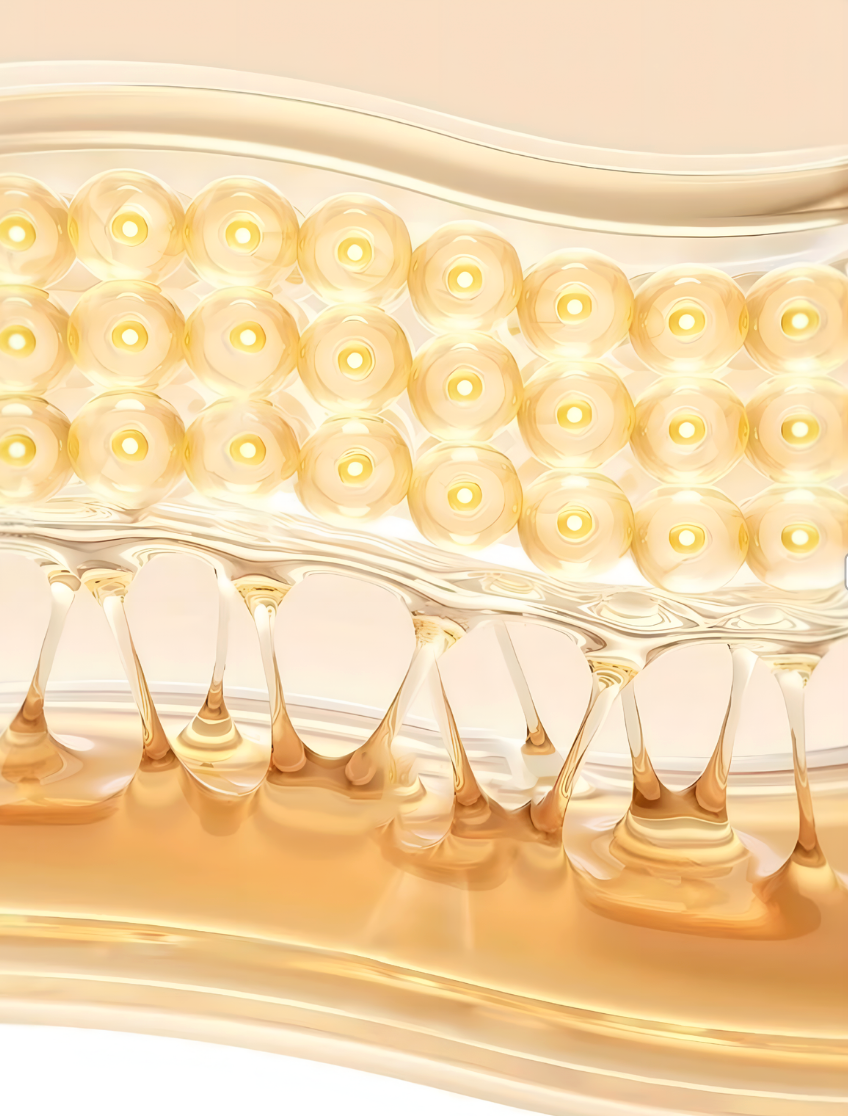
Collagen production begins to decline as early as your mid-20s
Collagen production begins to decline as early as your mid-20s, gradually reducing the body’s ability to maintain and repair skin, joints, and connective tissue. This process is subtle at first, but over time it can influence elasticity, recovery, and overall structural support, often long before more visible changes appear.
As natural production slows, factors like stress, nutrition, and environmental exposure can accelerate the decline. What many people experience on the surface is often a reflection of deeper shifts in how efficiently the body can rebuild and sustain these tissues on its own.
That’s where more intentional support becomes important. Our Total Collagen is formulated to go beyond standard collagen powders, combining multiple collagen types with additional supportive ingredients that many formulas leave out, all selected to support absorption and give your body the building blocks it needs to maintain structure, function, and resilience over time.

Most electrolyte products contain too much or too little sodium
During exercise, especially in heat or high output training, your body can lose significant amounts of sodium through sweat. This loss directly impacts hydration status, muscle function, and overall performance.
When sodium is not adequately replaced, you may experience fatigue, decreased endurance, and slower recovery, even if you are drinking plenty of water. Many popular electrolyte formulas are either overdosed or underdosed, prioritizing taste and marketability over physiological effectiveness.
As a result, they fail to meaningfully replace what is lost, leaving the body in a continued state of imbalance.Our electrolyte formulations are designed to address this directly.
The form of an ingredient determines whether your body can actually absorb and use it
Not all ingredients are created equal. The form, pairing, and delivery all affect bioavailability, or how much your body can actually absorb and use.
Two products may list the same ingredient, but the results can differ significantly.Many supplements prioritize label appeal over function, using cheaper forms that don’t translate into real benefits. Without proper absorption, even strong ingredients fall short.Our formulations focus on how ingredients perform in the body.
We select bioavailable forms, pair them intentionally, and dose them to be used, not just listed. If it’s included, it has a purpose.

Hydration affects how nutrients are transported and utilized
Water plays a critical role in nearly every physiological process, including how nutrients are delivered throughout the body.
Proper hydration supports blood volume, circulation, and cellular function, all of which are essential for transporting vitamins, minerals, and other compounds to where they’re needed. Electrolytes also depend on fluid balance to maintain nerve signaling, muscle function, and energy production.
Even the most well-formulated supplement can fall short if the body isn’t properly hydrated, making hydration a foundational part of effective supplementation.

More isn’t always better when it comes to dosing
It’s a common assumption that higher doses lead to better results, but the body doesn’t work that way.
Many nutrients have a threshold for absorption, meaning anything beyond a certain amount may not be effectively utilized. In some cases, excess intake can even compete with other nutrients or be excreted without providing additional benefit.
Effective supplementation focuses on clinically relevant dosing, not excess. The goal is to provide the body with what it can actually use, in amounts that support function without unnecessary waste.
Articles
Creatine: The Energy Molecule Behind Strength, Focus, and Resilience
Creatine is one of the most studied compounds in sports nutrition and human performance. It is not a stimulant and it is not a shortcut. Creatine is a naturally occurring molecule stored largely in skeletal muscle, where it helps regenerate...
Read moreabout Creatine: The Energy Molecule Behind Strength, Focus, and Resilience
Collagen: The Structural Foundation of the Human Body
Collagen is the body’s primary structural protein, forming the framework of skin, cartilage, tendons, ligaments, bone, and connective tissue. Beginning in early adulthood, natural collagen production declines while degradation increases, contributing to reduced skin elasticity, joint stiffness, and diminished tissue resilience. Research shows that hydrolyzed collagen peptides can be absorbed into the bloodstream and may support dermal density, skin elasticity, and joint comfort, particularly when paired with vitamin C, which is required for proper collagen synthesis. Total Collagen provides 15 grams of bovine collagen peptides alongside vitamin C, glucosamine, hyaluronic acid, inulin, and fucoidan to support connective tissue structure, joint function, hydration, and overall structural integrity from multiple biological pathways.
Read moreabout Collagen: The Structural Foundation of the Human Body

Creatine: The Energy Molecule Behind Strength, Focus, and Resilience
Creatine plays a central role in cellular energy production, helping regenerate ATP, the primary fuel your body relies on for strength, power, and cognitive performance. While it’s often associated with muscle, its impact extends beyond the gym, supporting brain function, recovery, and overall resilience under physical and mental stress.
Your Path to Better Health

START
Begin With the Foundation
Health starts with the basics your body depends on every day. Hydration, minerals, sleep, and consistent nourishment form the foundation for how your body functions at a cellular level.
Start simple. Drink water consistently throughout the day, not just when you feel thirsty. Eat regular, balanced meals and prioritize whole, nutrient-dense foods. Maintain a consistent sleep schedule and reduce stimulation at night.
Supplementation can help reinforce this baseline, especially when daily intake falls short. Foundational support should fill gaps, not replace habits.

SUPPORT
Support What Gets Depleted
Daily life places constant demands on the body. Exercise, stress, heat, and even caffeine increase what your body uses and loses, particularly fluids and essential minerals.
On higher demand days, increase hydration and include mineral-rich foods. After sweating or long periods of activity, make it a habit to actively replenish, not just drink plain water.
This is where targeted supplementation becomes useful. Replacing what is lost, especially electrolytes, helps restore balance more efficiently than water alone.

STRENGHTEN
Strengthen & Repair
Your body is constantly breaking down and rebuilding. Muscles, joints, and connective tissues rely on consistent input to recover and maintain strength over time.
Incorporate resistance training or movement that challenges your body. Prioritize protein intake and allow time for recovery through rest and mobility work.
As natural repair processes slow, supplementation can support structural integrity. Ingredients like collagen provide additional building blocks that may be difficult to get consistently through diet alone.

CREATE
Create Daily Energy and Performance
Energy is built through how you live, not just what you take. Movement, nutrition, and daily habits all influence how your body produces and uses energy.
Start your day with light exposure and movement. Eat balanced meals and avoid long gaps without nourishment. Manage stimulation and give your mind time to reset.
For additional support, supplementation can enhance energy production at the cellular level. Compounds like creatine help regenerate ATP, the primary fuel your body uses for strength, output, and cognitive function. When used consistently, it can support more stable energy, improved performance, and sharper mental clarity alongside these habits.

ROUTINE
Build a Routine That Lasts
The most effective approach to health is one you can maintain. Consistency will always outperform intensity over time.
Keep your routine simple and repeatable. Focus on a few habits you can sustain daily, and build structure that fits your lifestyle.
Supplementation should fit into this routine seamlessly. When paired with strong daily habits, it becomes a tool for consistency, helping you maintain balance, support recovery, and perform at your best over time.